 Adobe StockSave this storySave this story
At Allure, we talk about foundation a lot. We chat about what we love, what’s been reformulated, and what our favorite makeup artists are using on their celebrity clients. Recently, however, the discussion has centered around foundations and getting older. As multiple Allure staffers enter their late 30s, 40s, 50s, and beyond, the formulas they’ve relied on for years just aren’t hitting the same. Foundations that once gave them a flawless base are settling into fine lines. Medium coverage is starting to look more mask-like, while skin tints are lovely but lack staying power.
Content director Sophia Panych is still trying to figure out what foundation to use as she nears 40. “I’ve worn the same few formulas for almost a decade, and I hate how dry and dull they make my skin look now, especially under my eyes,” she says. And she’s not alone. Multiple editors say that once they hit their 30s, their skin seems to require more hydrating coverage and flexibility from their foundation. “My favorite matte powder foundation was great when I had immaculate skin in my 20s, but now it’s not doing anything for my complexion, which is dry and dehydrated,” says senior beauty editor Jesa Marie Calaor, who switched to a serum foundation in her 30s.
It became clear this is an issue a lot of people are dealing with, so we decided to go to the pros for advice. Many makeup artists we spoke to wanted to take age out of the equation. “The best foundation is not really about age; it is about what your skin is doing right now,” says Christian Briceno, a makeup artist in New York City. Still, your age can offer a few indicators about what your skin needs, which, for many people in their late 30s and beyond, is moisture and a light touch. “As we get older, our skin gets drier; it also can get more sensitive,” says Michelle Henry, a board-certified dermatologist in New York City.
Every makeup artist we spoke to emphasized the importance of skin prep, regardless of age. “It’s key, especially if you are experiencing makeup clinging to dry patches,” says Lisa Eldridge, British makeup artist and founder of Lisa Eldridge Beauty. Gentle exfoliation and a good moisturizer “will work wonders for the staying power of your makeup,” she adds. “Not to mention, starting with your glow already established means you’ll end up needing less product to boost your luminosity.” We love the Best of Beauty Award-winning Rhode Barrier Butter and Olay Super Cream With Sunscreen SPF 30, both of which really plump up the skin nicely before makeup.
Dr. Henry also emphasizes the importance of skin care and recommends taking a more minimal approach to foundation when you notice your skin changing. “As you start to lose collagen and notice fine lines, the inclination can be to use makeup to cover it up, but I think skin care is more important at that point,” she says. That being said, she also doesn’t want people to feel they should stop wearing makeup at a certain age, something many of her patients assume. In fact, she encourages them otherwise: “Aim for that well-hydrated, healthy look with makeup, instead of trying to fully cover up imperfections.”
The best formula for you is one that fits your skin type and the level of coverage you desire, says Eldridge (and, of course, makes you feel great!). But if, like some of our staffers, you’re struggling to make a longtime favorite foundation look just right, keep reading on what you can do to make it work, or the type of new formula to reach for.
Meet the experts:
LargeChevron
- Frank B. is a makeup artist in New York City.
- Christian Briceno is a makeup artist in New York City.
- Lisa Eldridge is a makeup artist in England and the founder of Lisa Eldridge Beauty.
- Michelle Henry, M.D., is a board-certified dermatologist in New York City.
- Vincent Oquendo is a makeup artist in New York City.
An oil-free formula may be helpful in your 20s
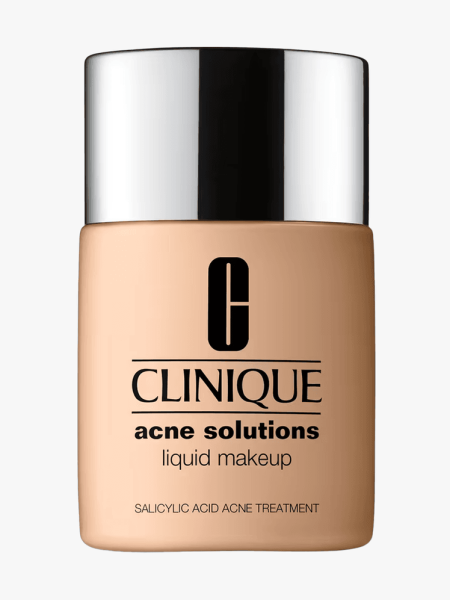
While your 20s are often touted as a fun, carefree age with newfound independence, your skin might still be acting like a teenager. “In your 20s, oftentimes people are still getting acne, and they're concerned about clogged pores,” says Dr. Henry. If you struggle with acne in your 20s, Dr. Henry suggests looking for oil-free formulas, like the Clinique Acne Solutions Liquid Foundation. “It has a little bit of salicylic acid, so that's really great for somebody younger and still having some acne,” she says.
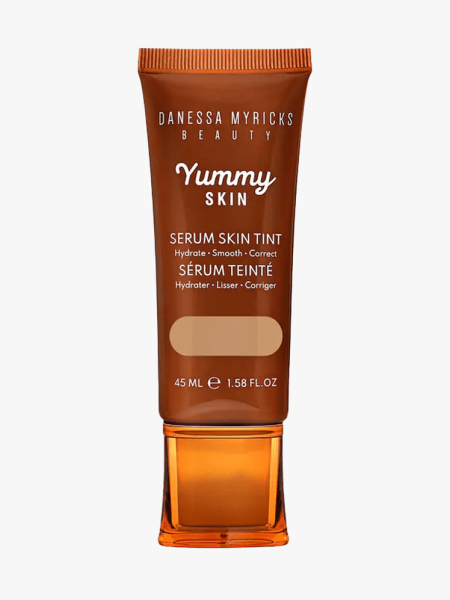
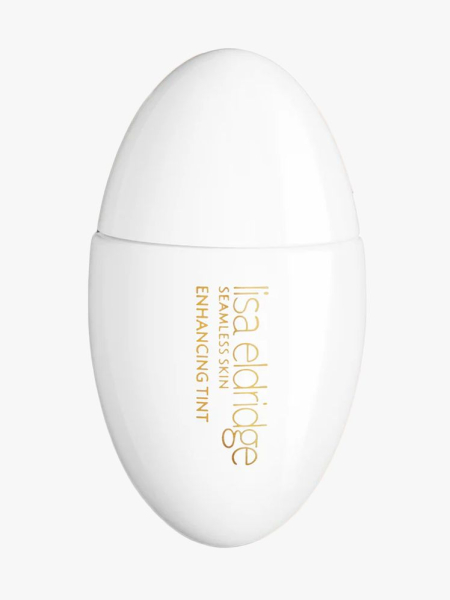
Frank B., a makeup artist in New York City and global artistic director for Milk Makeup, recommends a serum foundation or skin tint at this age “to provide hydrating coverage with a dewy finish to emphasize that youthful glow.” As a 26-year-old with oily skin and occasional hormonal acne, associate beauty editor Annie Blay-Tettey loves the Danessa Myricks Yummy Skin Serum Skin Tint, which gives her skin a fair amount of coverage without clogging her pores. The Lisa Eldridge Enhancing Skin Tint is another great, lightweight option that provides luminous coverage without overwhelming the skin at any age (Panych, 39, is a fan of this formula).
 Save to wishlist
Clinique
Acne Solutions Liquid Makeup
Clinique
Nordstrom
Amazon
 Save to wishlist
Danessa Myricks Beauty
Yummy Skin Tint
Sephora
 Save to wishlist
Lisa Eldridge
Seamless Skin Enhancing Tint
Selfridges
Lisa Eldridge
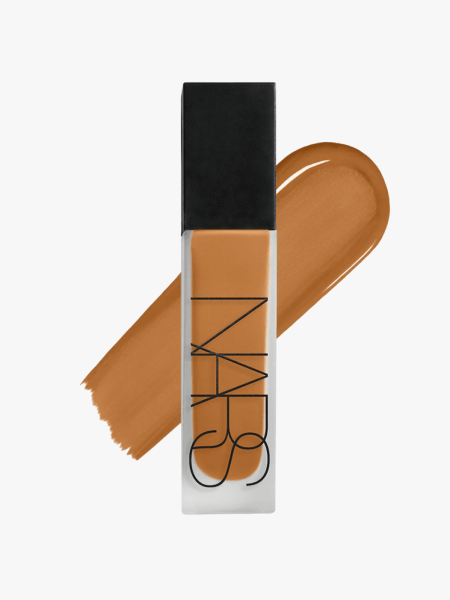
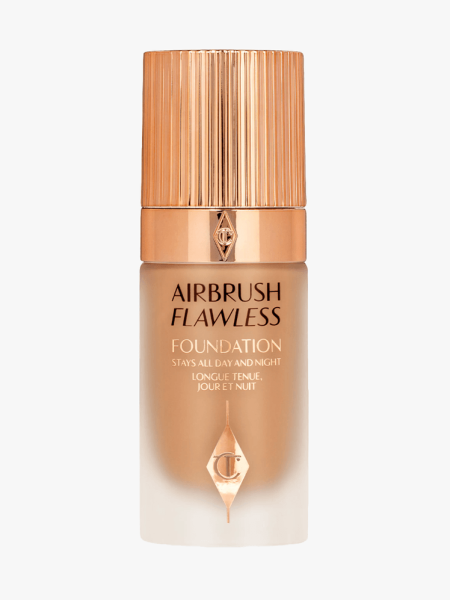
If you prefer a matte foundation or full-coverage glam, Briceno recommends formulas with a “natural matte” finish, like Nars Natural Matte Longwear Foundation, a light-as-air, full-to-medium coverage formula that smooths the appearance of pores. For him and his clients, full-coverage formulas are treated like a tool, not a default. If you want to cover up melasma, hyperpigmentation, acne marks, or you just want a near-flawless finish for a big event, a full-coverage foundation (like the Charlotte Tilbury Airbrush Flawless Foundation, an Allure editor favorite) makes sense. But Briceno maintains that a thin layer of a full-coverage foundation with targeted concealer in the spots where you need it is a better practice than slathering foundation all over.
 Save to wishlist
Nars
Natural Matte Longwear Foundation
Sephora
 Save to wishlist
Charlotte Tilbury
Airbrush Flawless Foundation
Amazon
Ulta Beauty
Focus on lightweight, skin-care-infused formulas in your 30s
Concerns like fine lines, melasma, hyperpigmentation, and dark circles might start becoming more prominent in your 30s. This is the time to start looking for makeup that works smarter, not harder. Instead of relying on heavier formulas to cover things up, Dr. Henry recommends choosing foundations that also offer skin-care benefits with ingredients like vitamin C, niacinamide, or hyaluronic acid. Adding these actives into a foundation not only makes the formulas more elegant (i.e., silkier, easier to blend), but they also give your skin a little TLC. Emphasis on a little, though. The active ingredients in makeup won’t have the same impact as a skin-care product. Not only are concentration levels too low, but complexion products are “often applied too thin,” only providing a fraction of the benefit, Heidi B. Prather, a board-certified dermatologist in Austin, Texas, previously told Allure.
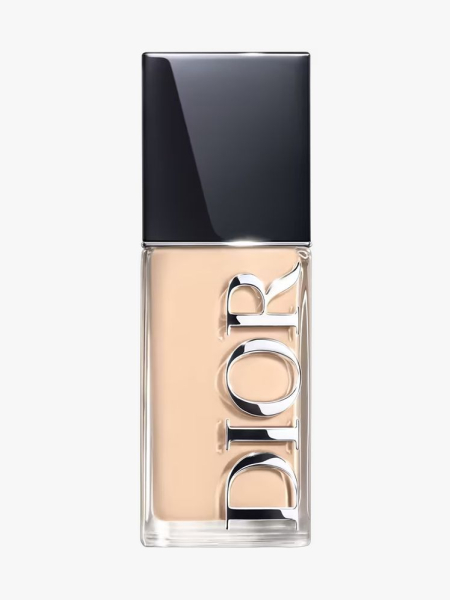
As for consistency, experts agree that lightweight, buildable formulas are ideal. “The most flattering foundation is usually not the heaviest one. It’s the one that gives you control,” says Briceno. The Dior Forever Glow Foundation fits the bill well. It contains glycerin and niacinamide, high on its ingredient list, giving the skin a dose of hydration. It’s medium-to-full coverage, making it buildable and suitable for everyday wear and special occasions.
 Save to wishlist
Pat McGrath Labs
Skin Fetish: Sublime Perfection Foundation
Nordstrom
Ulta Beauty
Sephora
 Save to wishlist
Dior
Forever Skin Glow
Nordstrom
Ulta Beauty
Sephora
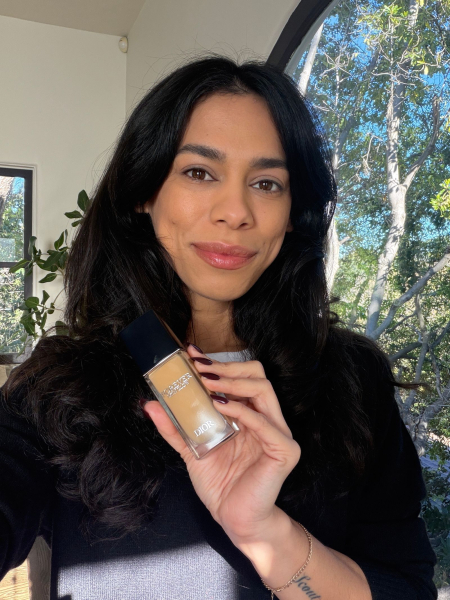
“Dior's Forever Skin Glow in 30 Warm Olive has been my go-to for years,” says Shanna Shippin, Allure commerce director, who is in her 30s. Shippin says she prefers skin tints over foundation since her skin tends to be very dry, but when she wants full coverage, this is the only foundation she reaches for. “It's everything someone with dry skin would want out of a formula: breathable, doesn't seep into fine lines or accentuate dryness, and leaves you with a subtle dewy finish that'll trick anyone and everyone into thinking you were born with richly hydrated, plump skin.”
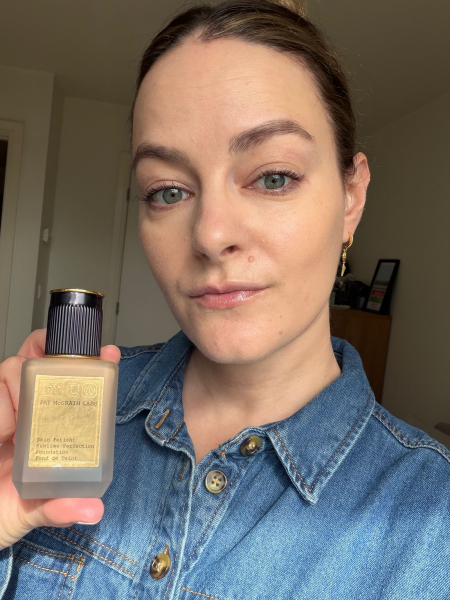
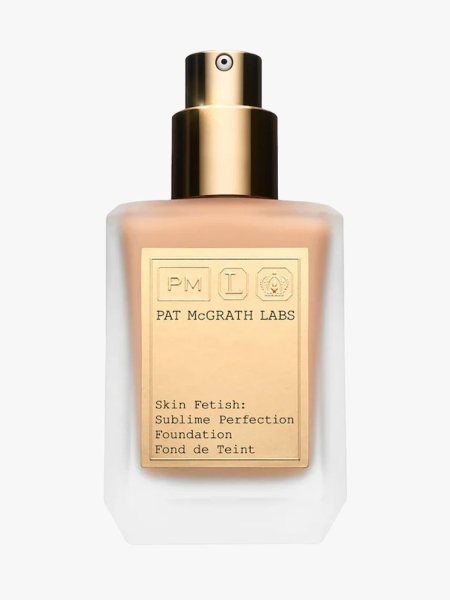
The Pat McGrath Skin Fetish: Sublime Perfection Weightless Foundation is another buildable foundation that can go from sheer tint to medium coverage with a few extra layers. Popular among our millennial editors, “It's something I can still use in my late (late) 30s and feel good about how it looks,” says Panych. “It doesn’t accentuate fine lines or texture and leaves your skin with the fresh glow of your 20s.”
If you’ve loved a full-coverage foundation and want to make it work better for your skin as it changes, makeup artist Vincent Oquendo suggests switching up the way you apply it. “A makeup brush is going to give you a heavier application, so let’s say you’re self-conscious about dark spots or texture, apply your full-coverage formula with a damp Beautyblender to sheer it out, then spot treat using a full-coverage concealer or a color corrector,” he says.
Hydrating formulas are key in your 40s and 50s
As you enter perimenopause and menopause, skin can become drier, duller, and less firm, while fine lines and wrinkles become more noticeable. And because of that, makeup at this age, especially over 50, will look different for everyone, explains Eldridge. “Some people can find themselves slightly drier, some who have always had normal skin might find themselves suddenly more oily, some get rosacea….In general, it’s switching it up to finding the textures that work well for you.”
Briceno echoes this. “In your 40s and 50s, foundation stops being mostly about coverage and starts being much more about texture, movement, and light,” he says. Think lightweight formulas that plump the skin and don’t settle into fine lines. Oquendo suggests avoiding foundations marketed as dewy or radiant, as they often break down more quickly, setting into fine lines as they do. However, if you prefer something luminous, Briceno recommends focusing your application on the high points of your face (like your cheekbones). “Too much dew all over the face can start looking oily by midday and can make texture more visible close up,” he says.
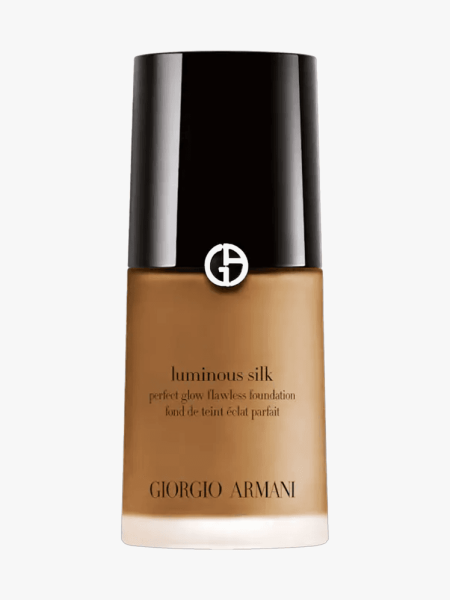
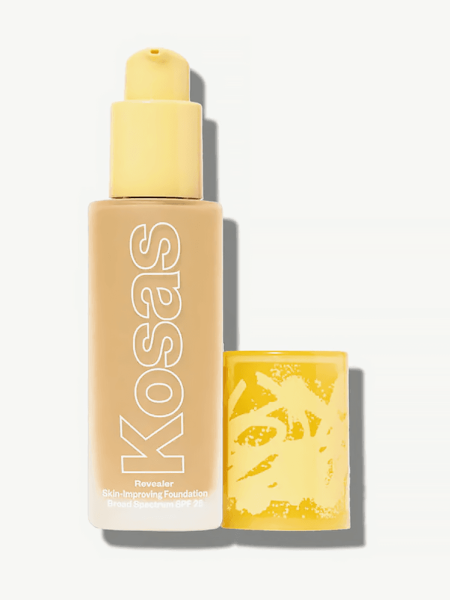
Dr. Henry, who is in her 40s, loves the hyaluronic acid-infused Kosas Revealer Skin-Improving Foundation, while Briceno says the Armani Luminous Silk Foundation is one of his favorite bases for clients over 40. It’s not heavy in texture but has great staying power and looks like skin, he says (an example of a dewy foundation that is also long-lasting). Leslie Lipton, Allure senior copy manager, who is in her 60s, agrees. “It's so glowy, and gives me just the right amount of medium coverage that can easily be blurred out,” she says. “Most important for me, it doesn't sink into those more-than-pesky fine lines around my eyes and mouth.”
 Save to wishlist
Armani Beauty
Luminous Silk Foundation
Nordstrom
Sephora
 Save to wishlist
Kosas
Revealer Skin Improving Foundation SPF 25
Credo Beauty
When it comes to coverage, Eldridge adds that there’s no hard and fast rule at this age. “It depends on your needs, everyone’s different,” she says. Some may find that they need more coverage in certain areas due to hyperpigmentation like melasma; others discover shadows and lines they never saw before. This is when you quickly realize that foundation is not a fix-it-all product. “Strategic placement of concealer or highlighter can work really well to lift shadows in areas like the corners of the mouth,” says Eldridge.
In your 50s and 60s (and any age after that), makeup shouldn’t stop being fun or bold, but your base may benefit from a more pared-back approach. “Ten years ago, I would have worn heavier coverage to camouflage zits and unevenness. Now, it's just a little bit for touchups. I'm all about the glow and lightness,” says Lipton.
In addition to a less-is-more approach, Briceno says this is the age to focus on intentional placement and application versus all-over coverage. Eldridge echoes this and offers up this technique for mature makeup: Build coverage little by little in thin layers. “This gives you the most seamless result possible while enhancing your beauty, not masking it,” she says.
Try a cushion foundation in your 60s and beyond
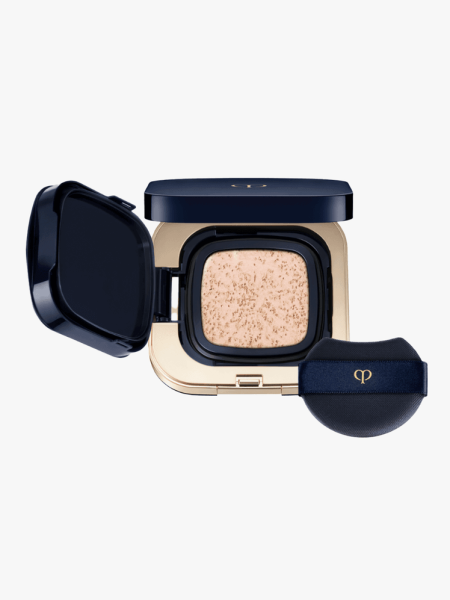
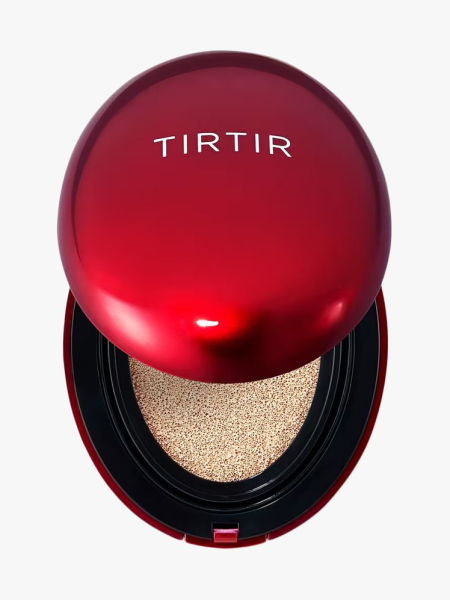
For clients in this age range, Frank B. gravitates toward hydrating cushion foundations like the TIRTIR Mask Fit Red Cushion Foundation or the Clé de Peau Beauté Radiant Cushion Foundation. “Cushion foundations easily create a thin, glowing layer on the skin with the puff applicator,” he says. “I aim for light to mid coverage for skin that is starting to thin.” The puff also helps concentrate pigment where you want the most coverage (like the dark circles under your eyes or anywhere you may have hyperpigmentation), helping you avoid the cakey look that can come from over-application.
 Save to wishlist
Clé de Peau Beauté
Radiant Cushion Foundation
Clé de Peau Beauté
 Save to wishlist
Tirtir
Mask Fit Cushions
Amazon
Nordstrom
Ulta Beauty
Still, after 60, many choose not to wear foundation at all, like Allure contributor Val Monroe. “I like to keep my makeup routine as simple as possible, and I think my skin looks better without [foundation],” she says. Monroe has been using a prescription retinoid for more than 20 years, and credits the integrity and lasting elasticity of her skin to it. “At 75, I still have some jowling and other gifts of aging, but the texture of my complexion is pretty healthy-looking and bright. I don't need to camouflage that,” says Monroe.